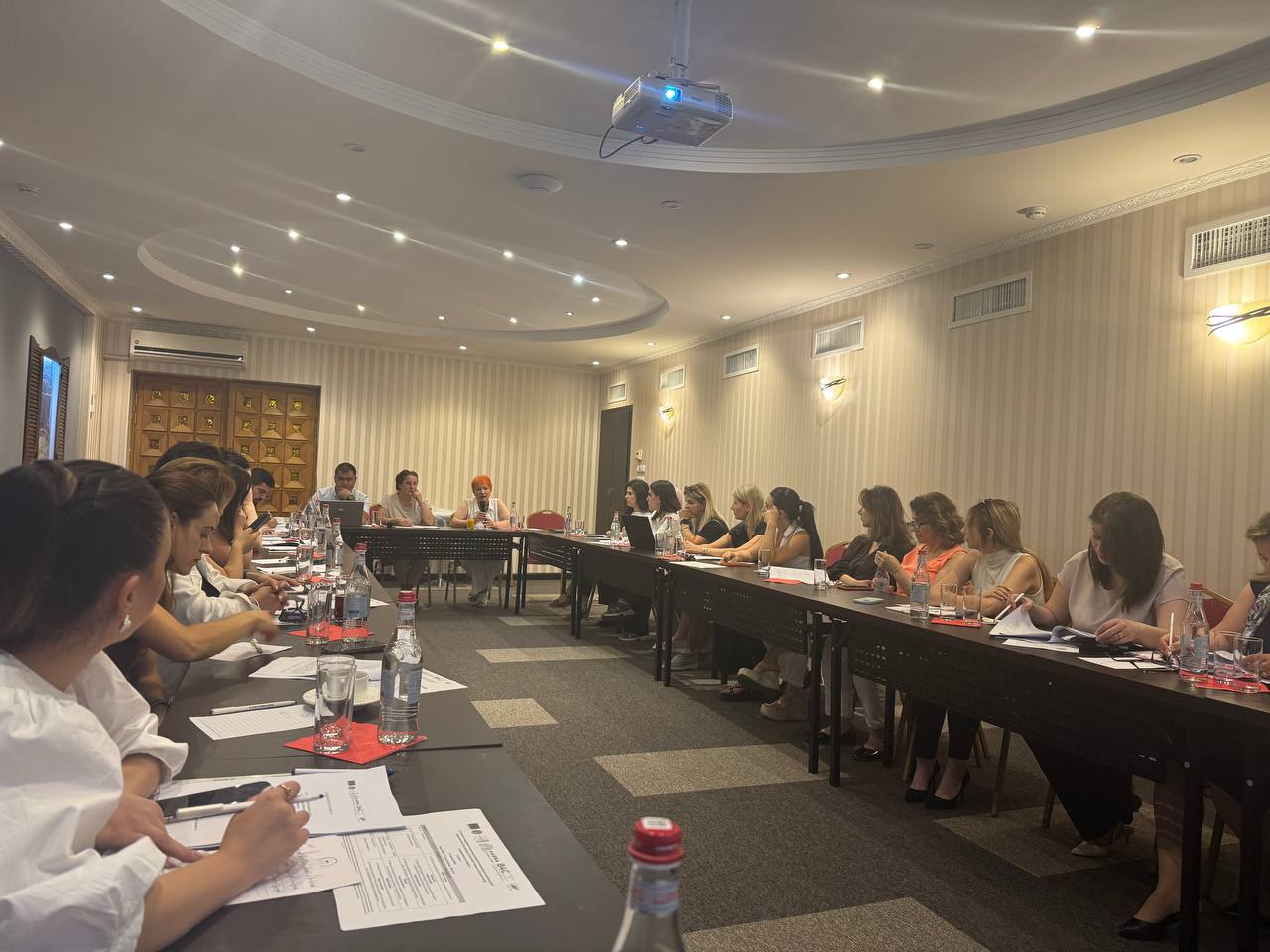
On August 28, a public discussion meeting dedicated to the planning and implementation of the RA state budget’s social protection programs was held, organized by the “NGO Center” civil society development NGO. The event was held within the framework of the sub-grant program “Social Budget: When the Citizen’s Voice Matters.”
The meeting was attended by representatives of the RA Ministry of Labor and Social Affairs: Ruzanna Pepanyan, Head of the Employment Division of the Department of Labor and Employment; Lusine Harutyunyan, Chief Specialist of the Labor and Wage Policy Division of the Department of Labor and Employment; and Anahit Hamzyan, expert of the Department of Financial and Accounting Reporting, as well as representatives of civil society organizations and other stakeholders. The opening remarks were delivered by Arpine Hakobyan, President of the “NGO Center” civil society development NGO.
In the first part of the meeting, Anahit Hamzyan, expert of the Department of Financial and Accounting Reporting at the RA Ministry of Labor and Social Affairs, briefly presented the stages of the social sector budget formation process. Following this, Gharib Harutyunyan, an expert with NGO Center’s “Social Budget: When the Citizen’s Voice Matters” program, presented the policy recommendations developed under the program, based on the results of an analysis of three major state programs (employment, housing support, and crisis support).
The 2026 social protection budget amounts to 993 billion AMD, roughly 27% of total state budget expenditures, and although annual execution consistently exceeds 97%, a stable link between expenditures and beneficiaries’ actual needs is still lacking. The presenter proposed eight priority directions and a 2026–2028 roadmap aimed at needs-based and results-based management of the programs.
Following the presentation, a question-and-answer session gave attendees the opportunity to clarify details of the recommendations, as well as the Ministry of Labor and Social Affairs’ approaches and upcoming plans.
Սույն հրապարակումը մշակվել է Եվրոպական միության ֆինանսական աջակցությամբ, «Իրավաբանների հայկական ասոցիացիա» ՀԿ-ի, «Տնտեսական զարգացման և հետազոտությունների կենտրոն» ՀԿ-ի և «Ագորա Սենթրլ Յուրոփ» ՀԿ-ի (Չեխիա) հետ համագործակցաբար գործարկվող «Բյուջեներ քաղաքացիների համար» ծրագրով տրամադրված ենթադրամաշնորհի շրջանակներում «ՀԿ Կենտրոն» քաղաքացիական հասարակության զարգացման հասարակական կազմակերպության կողմից իրականացվող «Սոցիալական բյուջե. երբ քաղաքացիների ձայնը կարևոր է» ենթադրամաշնորհային ծրագրի շրջանակներում: Բովանդակության համար պատասխանատվություն է կրում «ՀԿ Կենտրոն» քաղաքացիական հասարակության զարգացման հասարակական կազմակերպությունը, և պարտադիր չէ, որ այն արտահայտի Եվրոպական միության տեսակետները: